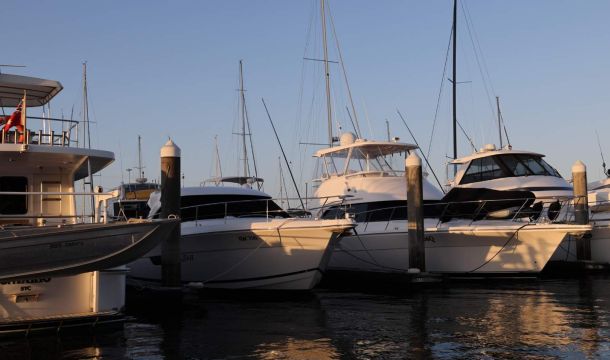
Florida represents one of the most active recreational and commercial watercraft markets in the United States, which naturally results in a high concentration of marine property damage disputes. In a single year, Florida has recorded over 700 boating accidents, highlighting the substantial physical and financial risks associated with operating watercraft in state waters. When property damage occurs, whether from a sudden collision, theft, or a catastrophic hurricane, vessel owners must turn to their marine insurance policies to recover their losses.
However, navigating a boat insurance claim in Florida requires an understanding of a highly complex legal landscape that differs significantly from standard land-based property coverage. At FGC Attorneys, we concentrate our practice on first-party property insurance disputes, bringing a litigation-conscious approach to every marine file. We understand that insurance carriers frequently rely on dense policy language and technical exclusions to deny, delay, or underpay legitimate claims. By analyzing your property damage from a trial-ready perspective, we ensure that your rights are protected and that the insurer is held accountable to the terms of their contract.
1. The Jurisdictional Divide: General Maritime Law versus Florida State Law
The primary legal hurdle in any marine insurance dispute is the determination of the applicable body of law. While typical first-party property disputes are governed almost exclusively by state statutes, a boat insurance claim is frequently subject to federal general maritime law rather than state law. This jurisdictional pivot depends primarily on whether the insured vessel operates on navigable waters: waterways capable of supporting interstate or international commerce. If a vessel is capable of navigating these waterways, federal maritime jurisdiction is triggered, and court-created rules established over centuries of maritime jurisprudence will supersede standard Florida insurance codes.
Under federal general maritime law, the standard of disclosure is exceptionally high. The doctrine of uberrimae fidei, or utmost good faith, dictates that the policy applicant must proactively disclose all material facts related to the vessel. A fact is deemed material if it would influence an underwriter’s decision to issue the policy, set the premium, or define the scope of coverage.
For the vessel owner, this requires the disclosure of prior accidents, previous mechanical failures, structural alterations, or any history of commercial chartering during the application process. Any misrepresentation or omission of a material fact, even if entirely accidental or made without fraudulent intent, grants the insurer the legal right to rescind the policy ab initio (from inception), leaving the policyholder completely unprotected when a subsequent boat insurance claim is filed.
2. Strict Compliance and the Trap of Express Marine Warranties
In standard property insurance, a policyholder’s breach of a condition must typically have a causal connection to the actual loss for an insurer to deny a claim. However, federal maritime law enforces a rule of strict compliance regarding express marine warranties. A marine warranty is an explicit promise by which the assured undertakes that a particular condition shall be fulfilled or a specific action shall or shall not be taken. Under established maritime precedent, any breach of an express marine warranty voids the policy automatically, regardless of whether the breach was causally linked to the actual property damage or mechanical loss.
An illustrative example of this strict compliance rule is found in a federal lawsuit initiated in July 2026 by a consortium of prominent underwriters against JDM Marine LLC. The dispute arose after the insured’s forty-seven-foot Sea Ray Express Cruiser, the M/V Seas The Day, suffered a catastrophic mechanical breakdown of its starboard engine while navigating Biscayne Bay, Florida, leading to a substantial hull coverage claim under a policy providing one hundred thousand dollars in coverage. An engineering evaluation definitively attributed the structural breakdown to the advanced age of the machinery and the corrosive marine environment (specifically, a localized seat surface defect on the starboard engine’s number six valve that induced severe thermal fatigue) rather than an accidental external impact.
However, alongside standard exclusions, the underwriters sought a formal judicial declaration to void the policy based on a breach of a strict safety warranty. The marine policy explicitly required the vessel to maintain all onboard fire extinguishing equipment in optimal working order, which mandated annual inspections, professional tagging, weighing, and certification by a licensed technician. The insurers argued that because the fire suppression system had not been professionally inspected and tagged, the express warranty was breached, rendering the contract void from inception.
This federal complaint underscores how a minor administrative or safety equipment oversight can be used to completely bar recovery for an expensive, unrelated mechanical breakdown or storm-related loss. At FGC Attorneys, our experienced legal team is prepared to analyze these warranty provisions and build defensive strategies to counter such technical disclaimers.
3. Deconstructing Common Insurer Denials and Policy Exclusions
Marine underwriters frequently employ complex policy exclusions, strict timelines, and precise definitions of vessel usage to minimize or deny a boat insurance claim. Understanding these defense mechanisms is critical for vessel owners seeking to protect their investments.
Maintenance Neglect and Wear and Tear
A standard exclusion across virtually all marine policies is the wear and tear clause, which bars coverage for gradual deterioration, corrosion, rust, or mechanical breakdown. Insurers frequently attempt to attribute sudden losses to ongoing maintenance neglect.
Over 75 percent of boat sinkings occur while the vessel is at the dock. The vast majority of these dock-based sinkings are caused by failed bilge pumps, deteriorated hull seals, leaky through-hull fittings, or neglected hulls: issues that insurers classify as preventable maintenance failures rather than sudden, accidental events. When a claim is filed for a sunken vessel, adjusters routinely scrutinize maintenance logs to determine if the loss was preventable.
Navigation Limits and Usage Violations
Most marine policies restrict coverage to specific geographically defined boundaries, such as coastal waters within a designated distance from shore, specified inland lakes, or designated regional ranges. Venturing outside these navigation limits, even temporarily or due to an unexpected storm, can invalidate coverage entirely.
Similarly, standard marine policies differentiate strictly between recreational and commercial usage. Utilizing a recreational vessel for unauthorized commercial purposes (such as charter services, fishing tournaments with cash prizes, or business entertainment) violates the usage limitations and voids the policy entirely, even if the eventual accident occurs during a purely recreational outing.
4. Hurricane Damage and Catastrophic Storm Adjustments
Florida’s geographic location makes it highly vulnerable to tropical storms and hurricanes, which can cause severe damage to vessels on lifts, at docks, or in storage locations. In the aftermath of a major storm, insurers frequently shift the blame onto boat owners, alleging that the owner failed to properly secure, moor, or haul the vessel prior to the storm, thereby violating storm-preparation exclusions.
Florida Statute Section 627.701 regulates how insurers must handle and adjust claims involving natural disasters, such as hurricanes and sinkholes. However, insurers often apply separate, high Named Storm Deductibles that drastically reduce the net recovery.
Disputes also frequently arise regarding whether a damaged vessel constitutes a constructive total loss, where the cost of salvage and repairs exceeds the agreed value of the boat. Salvage claims themselves can be highly adversarial, occasionally leading to salvage companies arresting the vessel if the insurer disputes the salvage contract. Additionally, marine casualties may involve liability for natural resource damage, such as seagrass bed scarring or pollution, which requires experienced defense representation under both hull and protection and indemnity (P&I) policies.
5. Proactive Evidence Preservation and Claim Fortification
To maximize recovery and avoid common pitfalls, a structured approach to managing a boat insurance claim is vital. FGC Attorneys recommends the following protocols immediately following a marine incident:
- Mitigation of Damages: Take reasonable steps to prevent further damage to the boat, such as deploying backup bilge pumps or covering exposed areas, within safe limits. Keep all receipts for these emergency expenses, as they are typically reimbursable.
- Comprehensive Documentation: Capture detailed, dated photographic and video evidence of the vessel, its equipment, and the surrounding environment immediately.
- Prompt Notice: Notify the insurance carrier within the strict limits outlined in the policy (often 24 to 72 hours). Failure to provide timely notice may result in a denial of the claim under Florida law.
- Independent Professional Surveys: Retain an independent marine surveyor to conduct a comprehensive damage assessment rather than relying solely on the adjusters representing the insurance company’s interests.
- Maintain Communications Logs: Keep a detailed, written record of all correspondence and conversations with insurance representatives, noting dates, times, and the names of the adjusters.
For vessel owners facing wrongful claim denials, underpayments, or bad faith delays, seeking counsel from experienced legal advocates is paramount. Florida law allows policyholders to sue insurance companies for first-party bad faith if they fail to act fairly and honestly. Bad faith practices include conducting frivolous or inadequate investigations, failing to process claims within a reasonable timeframe, or refusing to pay undisputed amounts owed. FGC Attorneys utilizes our extensive trial background to challenge these tactics and aggressively pursue the full indemnification to which our clients are entitled.
Frequently Asked Questions (FAQ)
Can a boat insurance claim be filed if the owner was partially at fault for the damage?
Yes, a policyholder’s partial fault or negligence in operating the vessel does not automatically bar recovery for accidental damage, such as a collision or grounding. Most comprehensive marine policies are designed to cover accidental losses resulting from operator error. However, if the insurer can prove that the negligence amounted to a deliberate failure to maintain the vessel or a breach of an express seaworthiness warranty, the claim may be denied.
What is the statute of limitations for filing a lawsuit over a boat insurance claim dispute in Florida?
Under Florida law, policyholders generally have five years from the date of the loss to file a lawsuit for breach of an insurance contract. However, marine insurance policies governed by federal maritime law frequently contain contractually shortened suit-limitation clauses, which can reduce the filing window to one or two years. It is critical to have an experienced legal team review the policy terms immediately upon receiving a denial.
How does the doctrine of utmost good faith (uberrimae fidei) affect my claim?
The doctrine of utmost good faith requires absolute transparency and honesty from the policyholder during the application process. If an applicant fails to disclose a material fact, such as a prior accident or a known mechanical issue, the marine insurer has the legal right to void the policy from its inception once a claim is filed, regardless of whether the omitted fact caused or contributed to the actual loss.
What is the difference between an Agreed Value and an Actual Cash Value policy?
An Agreed Value policy guarantees that in the event of a total loss, the insurer will pay the specific dollar amount agreed upon when the policy was written, without applying depreciation. An Actual Cash Value policy, conversely, only covers the depreciated market value of the vessel at the exact time of the loss, which frequently leads to disputes over depreciation rates.
Can an insurer deny a claim if my boat sinks at its dock?
Yes. Insurers frequently deny dock-based sinkings by alleging that the loss was caused by preventable maintenance failures, such as deteriorated hull fittings or dead batteries leading to bilge pump failures, rather than a sudden accidental event. If the underwriter can prove that the vessel sank due to gradual wear and tear or maintenance neglect, they will deny the claim.
What is a “promissory warranty” in a marine policy?
A promissory warranty is a strict contractual promise by the insured that a specific condition will be met, such as maintaining safety equipment certifications or staying within navigation limits. Under maritime law, breaching an express warranty voids the policy automatically, even if the breach did not cause the actual damage.
Why is keeping a detailed maintenance log so important?
Because wear and tear are excluded, insurers often assume that sinkings or mechanical failures are the result of poor upkeep. Keeping detailed logs of all repairs, part replacements, and routine service provides the necessary empirical proof to show the vessel was seaworthy prior to the incident, making it much harder for the insurer to deny your boat insurance claim.
What happens if a salvage company arrests my boat during a claim dispute?
If an insurer disputes a salvage contract after a marine casualty, the salvage company may place a maritime lien on the vessel and “arrest” it through a federal marshal to secure payment. It is vital to have experienced legal counsel intervene immediately to resolve the dispute with the insurer and protect your ownership rights.
Does standard homeowners insurance cover my dock or boat lift damage?
In Florida, standard homeowners policies may provide limited coverage for unattached structures like docks or boat lifts, but they usually carry strict exclusions for water damage, storm surges, or wave action. Separate marine or flood policies are typically required to fully protect waterfront infrastructure and vessels.
Why should I hire an experienced trial attorney instead of handling the appeal myself?
Marine insurance policies are highly complex and governed by a unique blend of state laws and federal general maritime law. Insurers often rely on confusing policy language to deter boat owners from pursuing valid claims. An experienced trial attorney knows how to analyze exclusions, manage independent marine surveyors, and aggressively litigate in state or federal court to maximize your recovery.
Conclusion
Navigating a marine property damage claim requires strict adherence to maritime policy conditions and timelines. At FGC Attorneys, we translate our technical knowledge of admiralty law and statutory first-party rules into a robust recovery strategy.
Contact FGC Attorneys today to protect your vessel and ensure your boat insurance claim is resolved with the precision it demands.
Disclaimer: The above-referenced is for informational purposes only and does not constitute legal advice. It is not intended to create, and receipt of it does not constitute, an attorney-client relationship. You should not act upon this information without seeking professional counsel.

Author
Our Practice Areas
- Business & Corporate
- Community Association
- Construction, Architecture, & Engineering
- Entertainment and Sports Law
- Estate Planning: Trusts, Wills and Lady Bird Deeds
- Equestrian Law & Equine Industry Advocacy
- Insurance
- Landlord-Tenant
- Lemon Law
- Land Use & Development
- Litigation
- Personal Injury, Wrongful Death, & Medical Malpractice
- Probate Administration
- Probate Litigation
- Real Estate
- Wealth Protection